Who we are
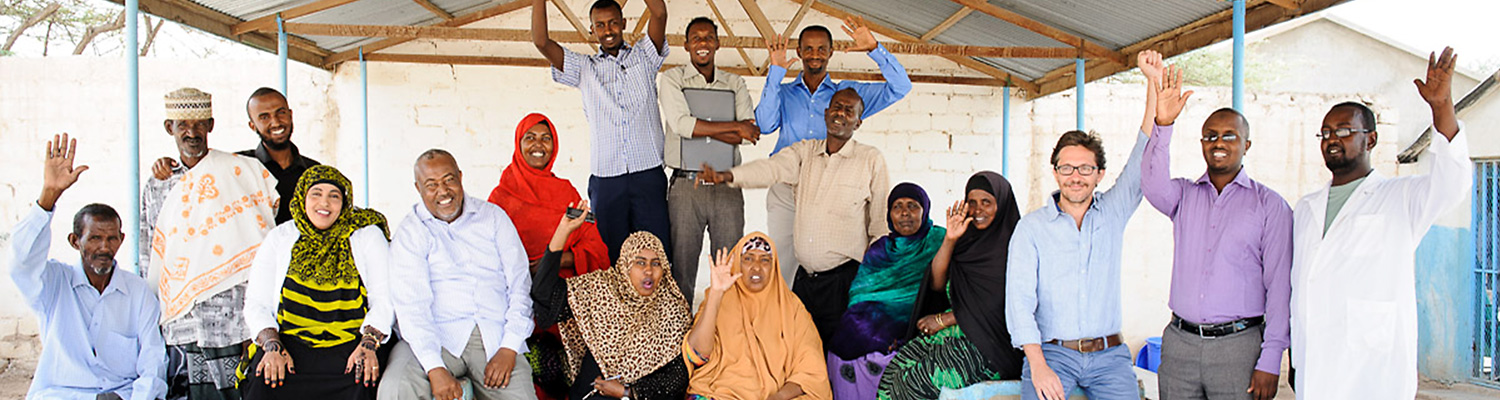
GRT is an Italian Non-Governmental Organization founded in Milan in 1968, committed to promoting mental health, psychosocial well-being, and human rights protection in Italy and abroad. We carry out our mission by working with fragile and vulnerable individuals—both Italian and foreigners, including refugees—through children protection and parenting support, alongside with gender-based violence prevention, and the development of individual potential through educational, professional, and cultural inclusion. Our goal is to improve social inclusion and raise community awareness.
GRT’s staff work to strengthen personal, social, and cultural resources of people, through an empowerment-based approach. At a social level, we pay particular attention to community mediation, in order to reinforce the resilience of integration processes and conflict resolution, especially in vulnerable areas.
We operate in Italy, Kenya, and Somalia, with decades of experience in Nepal, Romania, and Nicaragua.

Our history
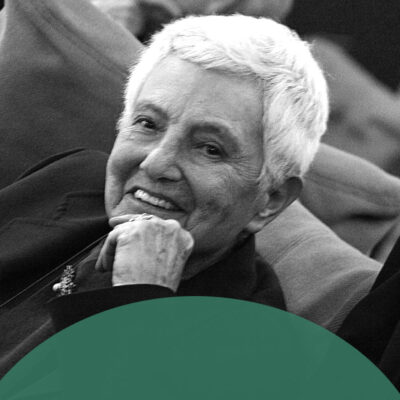
GRT is an Italian NGO founded in Milan in 1968 by the Professor Rosalba Terranova Cecchini.
Rosalba Terranova Cecchini was one of the first female psychiatrists in Italy. Following her clinical work in various Italian institutions and in several parts of the world — including Madagascar, Guatemala, and Algeria — she focused on the relationship between culture, mental health, and care services.
In Italy, she served as Deputy Director and Chief Physician at the Provincial Psychiatric Hospital “U. Cerletti” in Parabiago, and later as Head Coordinator of the Psycho-Social Service at L. Sacco Hospital in Milan. There, she contributed to the deinstitutionalization process of the post-Basaglia period and introduced continuous training programs for all staff, promoting patient care grounded in the dignity of the human being.
Her international experiences and innate curiosity led her to observe the crucial role played by the culture of one’s society in shaping the development and functioning of the psyche, the interpretation of mental illness, and the construction of care practices.
These ideas were later systematized into a transcultural theory of the individual, which became the foundation for the School of Transcultural Psychotherapy, established in Milan in 2001.
Organization today
GRT – Group for Transcultural Relations
We are a specialized NGO.
GRT promotes psychosocial well-being, mental health, and education through a transcultural approach, fostering community development, respect for human rights, and social inclusion at both national and international levels. Every project and intervention carried out by the Gruppo per le Relazioni Transculturali (Group for Transcultural Relations) revolves around a guiding principle: care for and support of the cultures of otherness. For our staff and volunteers, this is not merely an abstract concept—it is a mission aimed at supporting communities and minority ethnic groups in difficulty.
Abroad
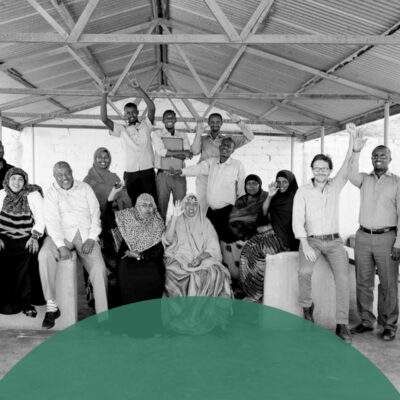
GRT’s main activities involve direct, rehabilitative, and training interventions in various fields. We provide psychosocial support and socio-health assistance to displaced persons and refugees. We strive to improve the lives of street children, support minority ethnic groups, and combat gender-based violence.
In Italy
We manage the School of Transcultural Psychotherapy, recognized by the Italian Ministry of Education, Universities and Research (MIUR). We offer training courses for professionals—both within dedicated service projects and through the organization and promotion of training and team supervision activities at local offices or at our headquarters.
Reports


Our policies
“The policies and procedures adopted by GRT translate the core principles into binding guidelines and behaviours for carrying out the organization’s activities.
In the field of security in East Africa and the Horn of Africa, we refer to INSO in addition to our own supplementary measures.
GRT is a signatory to the Code of Conduct for the International Federation of Red Cross and Red Crescent Societies and Non-Governmental Organizations for humanitarian assistance.”
Partner
Below are the associations and organizations that collaborate with us in projects and activities.